How to Choose Music for a Bar With Private Room Event
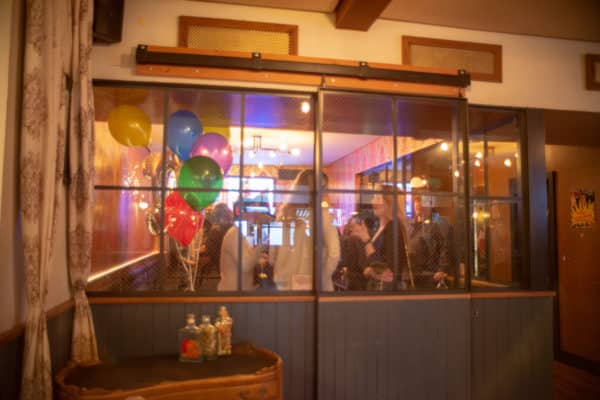
Choosing music for a private room event sounds simple until you are the person responsible for the room. Then it becomes clear how many things are riding on it. The right playlist can make a birthday feel warm and effortless, help a networking event feel polished instead of stiff, and keep a dinner party moving without overwhelming conversation. The wrong music can flatten the mood in under ten minutes.
A Bar With Private Room presents a specific set of challenges that people often underestimate. The space is more controlled than the main bar, but it is rarely soundproof in the way guests imagine. The room may host speeches, cocktails, dancing, or seated dining, sometimes all in one evening. Guest ages and expectations may vary widely. A playlist that works perfectly in the open bar can feel too loud, too familiar, too distracting, or too impersonal once it is confined to four walls and twenty to sixty people.
The best music choices come from reading the event rather than chasing a genre label. I have seen hosts spend days debating jazz versus pop when the real issue was timing, volume, and energy management. Music is not just what you play. It is when you play it, how loud it is, how quickly it changes, and whether it supports what guests came there to do.
Start with the job the music needs to do
Every event has a purpose, even casual ones. Sometimes the purpose is obvious, like a company holiday gathering where people need to mingle across teams. Sometimes it is emotional, like an anniversary dinner where the host wants the room to feel intimate and celebratory. Until you know the job the music is doing, song selection is mostly guesswork.
At a birthday dinner in a private room, for example, music often needs to create a sense of occasion without hijacking the table conversation. At a product launch, it may need to add polish and momentum while leaving enough sonic space for guests to make introductions. At an engagement party, it usually needs to evolve. Early in the evening, people want to talk. Later, they may want a singalong moment or a looser, more festive tone.
This is where many hosts get caught. They build one static playlist based on personal taste. Personal taste matters, but event function matters more. If the host loves deep house and half the guests are the guest of honor’s family in their sixties, the playlist may be technically good and socially wrong. That tension shows up fast. Conversations shorten. People ask for the volume to change. The room starts feeling divided.
Before choosing a single track, answer a few practical questions. Are people dining at tables or standing with drinks? Will there be speeches? Is the group close-knit, or are many guests meeting for the first time? Is the room meant to feel relaxed, elevated, playful, or high-energy? Those answers narrow your options far more effectively than scrolling genres.
The room itself changes what sounds good
A private room inside a bar has its own acoustics, and they are rarely neutral. Hard surfaces such as tile, glass, brick, and wood reflect sound. A compact room with low ceilings can make bass feel muddy and vocals harsh. A long narrow room may create dead spots where some guests barely hear the music while others feel like the speakers are pointed directly at them.
That matters because a playlist that sounds balanced through headphones or at home may become tiring in the room. Dense production, heavy bass, and bright vocals can build listening fatigue quickly. This is especially true when people are trying to talk over the music while hearing room noise, glassware, staff movement, and spillover from the main bar.
When I help venues or hosts think this through, I usually advise them to listen to several songs in the space before the event begins, not just during setup when the room is empty. An empty private room can sound surprisingly sharp. Once thirty guests arrive, coats, bodies, and soft furnishings absorb sound and change the balance. That is why a soundcheck at opening volume is useful, but a soundcheck at expected crowd volume is better.
A Bar With Private Room can also have practical limitations that shape music choice. Some venues route all private room audio through a house system with limited control over bass and treble. Others let you connect a phone or laptop but not a professional controller. Some have a microphone that feeds back easily if background music is too hot. None of this is glamorous, but all of it matters more than whether your opening track is stylish.
Match the music to the event arc, not just the event type
Most successful private room events have an arc. Guests arrive, settle in, connect, eat or drink, and then either wind down or open up. Good music follows that movement. It does not stay at the same emotional temperature all night.
The most common mistake is starting too big. Hosts want the room to feel lively from the first guest, so they open with tracks that belong two hours later. But a private room fills gradually. The first few guests are often making small talk with one drink in hand. If the music arrives at party mode before the people do, it creates strain. They have to talk over energy they have not yet earned.
A better approach is to let the first third of the event breathe. Mid-tempo soul, mellow funk, polished pop, acoustic covers that are not too precious, and familiar but unobtrusive R&B often work well. This gives guests a social landing place. Once the room is full and conversation is flowing, you can build warmth and confidence. Later, if the event calls for it, you can move into bigger choruses, higher BPMs, and more recognizable crowd-pleasers.
Think of music in layers of permission. Early music says, “You can settle in.” Mid-event music says, “You can relax and enjoy yourselves.” Late-event music says, “You can get louder, looser, and more expressive.” If you give the last message first, the room often resists.
The guest mix should guide your level of familiarity
People talk about music taste as though the only question is what sounds good. In event settings, familiarity is just as important. Familiar songs help groups bond quickly, especially when the guest list includes people from different social circles. But too much familiarity too early can make the room feel generic, like a wedding DJ has taken over before dessert.
The balance depends on who is in the room. If the event is mostly peers in their late twenties and thirties, you can often use a higher percentage of recognizable tracks without losing credibility. If the room includes clients, senior executives, in-laws, and college friends, you need broader emotional intelligence. In those cases, overly niche music can isolate people, while relentlessly obvious hits can feel heavy-handed.
There is a simple test I like: ask whether the song rewards attention. Some songs demand attention, which is useful only at certain moments. Others reward attention without demanding it. Those are gold in a private room. Guests who notice them enjoy them, and guests deep in conversation are not forced to compete with them.
This is also why lyric density matters. Songs with sharp, dominant vocals can pull focus away from speech and table talk. Instrumentals or tracks with smoother vocal delivery often sit better during dining and mingling. Later in the evening, more lyrical and recognizable records can work because the room is already socially activated.
Volume is not a side issue
If I had to choose one factor that ruins more private room events than bad song selection, it would be volume. Music can be almost perfect and still fail because it is five decibels too loud. People do not usually complain elegantly about this. They just lean in more, talk less, and leave earlier than planned.
Conversation-friendly volume does not mean timid. It means guests can speak in a natural voice across a table or beside a high-top without feeling challenged by the speakers. For cocktail-heavy events, you can run a little stronger. For seated dinners, especially where older guests are present, lower is usually better. If there are speeches, the music should come down before the host reaches for the microphone, not after the feedback squeal tells everyone something is wrong.
One practical habit helps: designate one person to control the volume who is not the busiest person in the room. Hosts are often too occupied to notice gradual drift. As drinks flow, many people unconsciously raise the level because the room feels louder. Sometimes that is appropriate. Often it is just escalation without purpose.
Live musician, DJ, or playlist?
This decision changes the entire feel of the event. There is no universally best choice, only a best fit for the room, budget, and goals.
A curated playlist works well when the event is relatively structured, the host has clear taste, and there is no need to read and react to the room minute by minute. It also suits tighter budgets. But it needs more preparation than people expect. A good private room playlist is not just favorite songs placed in a queue. It needs flow, clean transitions in energy, and enough length to avoid obvious repetition.
A DJ is valuable when the event may pivot, when guests are likely to request songs, or when the later part of the evening could turn more celebratory. In a Bar With Private Room, a DJ also solves practical problems by adjusting volume, tempo, and tone in real time. That flexibility is what you are often paying for, not just beatmatching.
Live music can be excellent in the right room, especially for upscale receptions or smaller gatherings. But it raises the stakes acoustically. A duo that sounds charming in a lounge can overpower a private room if the setup is not tailored to the space. Live performers also create a focal point, which is wonderful when you want one and disruptive when you do not.
A useful shorthand is this:
- Choose a playlist when consistency and budget matter most.
- Choose a DJ when adaptability matters most.
- Choose live music when atmosphere matters more than flexibility.
That is the simple version. The more honest version is that execution matters more than format. A thoughtful playlist beats a mediocre DJ. A skilled DJ beats a lazy live set. A great musician in the wrong room can still be the wrong choice.
Genre is less important than texture
Hosts often begin with genre because it feels concrete. “We want jazz.” “We want 2000s throwbacks.” “We want indie.” But genre alone is too blunt an instrument for event planning. Texture is usually the better guide.
Texture means how the music behaves in the room. Is it smooth or jagged? Spacious or crowded? Percussive or melodic? Vocal-forward or groove-forward? Bright or warm? These qualities affect conversation and mood far more directly than the genre label.
Jazz is a good example. A brushed, mid-tempo instrumental trio feel can make a room feel elegant and expensive. Fast bebop with aggressive horn lines can make the same room feel restless if guests are trying to talk. Pop works the same way. Sleek, restrained pop with warm production can sit beautifully under dinner service. Maximalist pop with giant choruses can yank attention away from the table every three minutes.
When building or briefing music, think in adjectives rather than categories. Warm. Polished. Relaxed. Sophisticated. Celebratory. Understated. Playful. Those words lead to better choices than broad genre tags.
Account for age range without making the room feel programmed
One of the hardest tasks is handling a mixed-age guest list without making the music feel like a compromise. This comes up often in milestone birthdays, retirement parties, rehearsal dinners, and work events where junior staff and senior leadership share the room.
The answer is usually not to rotate obviously between generations. If you bounce from Motown to current chart pop to 90s Britpop to 70s disco in a clumsy pattern, guests feel the programming. It starts to sound like a committee project. Better results come from finding connective tissue. Groove, warmth, melodic clarity, and moderate tempo can bridge decades more gracefully than theme-based jumps.
A room with guests from twenty-five to seventy can still feel coherent if the selections share energy and tone. Earth, Wind & Fire can live comfortably beside contemporary funk-pop. Classic soul can lead into smooth modern R&B. Well-chosen 80s records can support newer indie-pop if the production feel aligns. People rarely need every song to be “for them.” They need enough moments of recognition to feel included.
Be careful with novelty and irony
Private room events often tempt hosts into novelty. Maybe it is a themed party, a corporate inside joke, or a host with a very online sense of humor. A few wink-and-nod moments can be fun. Too many turn the evening into a bit.
Irony-heavy music choices age fast in a room. So do meme songs, hyper-specific niche tracks, and anything that reads as performance rather than hospitality. Guests may smile at the first one, tolerate the second, and disengage by the fifth. Music should support the host’s personality, not force everyone to admire it.
That does not mean playing safe all night. It means earning your left turns. If the room is bonded and receptive later in the evening, a strategic curveball can land beautifully. Early on, it usually just interrupts social flow.
Common event types and what tends to work
Different private room events invite different musical instincts. These are not rules, but they are patterns I have seen hold up well.
For business mixers and client events, smooth confidence works better than obvious party energy. Think tasteful rhythm, familiar but not overplayed selections, and a steady pulse that encourages mingling. Music should make the room feel cared for, not marketed at.
For birthdays and anniversaries, the emotional range can be wider. Guests expect some personalization and some lift. This is where a host can thread in favorites and memory-trigger songs, as long as the room still has a shared baseline.
For rehearsal dinners and family celebrations, warmth is usually more useful than trendiness. Across generations, people respond to music that feels welcoming, melodic, and easy to live with for several hours.
For holiday events, resist the urge to lean too hard on seasonal tracks. A little goes a long way, especially in a bar environment. One of the best holiday private room playlists I ever heard was mostly soul, jazz-pop, and relaxed classics, with occasional seasonal songs woven in rather than stacked back-to-back. Guests felt festive without feeling trapped inside a theme.
A practical planning method that saves headaches
If you are curating the music yourself, there is a straightforward way to get better results without turning the process into a second job.
- Build in phases: arrival, main event, later energy, and close.
- Prepare more music than you think you need, usually at least 30 to 50 percent extra.
- Remove songs with jarring intros, long silent endings, or abrupt mood shifts.
- Test the first 45 minutes in order, because the opening stretch sets the room.
- Keep a short backup folder of reliable crowd-friendly tracks.
This method prevents the most common self-made problems. It stops you from front-loading the best songs, running out of runway too early, or discovering during the event that three tracks in a row are much louder than the rest.
One more practical note: if you are using a streaming service, download the playlist offline if possible and disable features that insert recommended tracks automatically. I have seen carefully built event playlists derailed by an algorithm that misunderstood the mood.
Coordination with the venue matters more than most hosts expect
Music planning for a Bar With Private Room is not just https://johnnyzgkn275.talesignal.com/posts/bar-with-private-room-hosting-tips-for-first-time-organizers creative. It is operational. The venue team usually knows details that will affect your choices, and asking the right questions early can save embarrassment later.
Find out how audio is controlled, where the speakers are placed, whether staff can adjust the system during service, and if there are any restrictions on DJs, subwoofers, or live performers. Ask whether sound from the main bar bleeds into the room at certain hours. Clarify microphone needs if anyone is making remarks. If the event runs late, check whether the venue’s overall music profile changes after a certain time. A calm private dinner can feel very different if the main bar outside the door becomes a high-volume Saturday crowd by 10 p.m.
I once attended a client dinner where the playlist itself was excellent, but nobody had checked how the venue handled announcements. Every toast required someone sprinting to a wall panel to lower the music, then raising it awkwardly afterward. That stop-start rhythm made the room feel less polished than the host intended. The songs were fine. The system plan was not.
Signs you chose well
You can usually tell within the first half hour whether the music is working. Guests settle quickly. Conversations start without strain. Nobody is talking about the music because it is doing its job. Later, if the event is meant to build in energy, you notice a gradual loosening of posture, more laughter, more room-wide interaction, maybe a few people asking, “What song is this?” That question is a good sign. So is the absence of requests to turn it down.
Good event music often feels invisible at first and memorable in retrospect. Guests leave saying the room had a great vibe. They rarely mean the decor alone. They mean the total atmosphere, and music is carrying more of that weight than most people realize.
The best choice is rarely the most impressive one
There is a temptation to treat music like a statement piece, especially in a private room where details feel heightened. But the smartest music choices are often modest, precise, and situational. They leave room for the event itself.
That is the mindset worth keeping. You are not programming for a personal listening session. You are shaping a social environment. If the music helps people feel comfortable, connected, and a little more themselves than they would have otherwise, it has succeeded.
A Bar With Private Room gives you enough control to make thoughtful choices, but not so much control that you can ignore the realities of acoustics, guest mix, timing, and service flow. Respect those factors, and the music starts to feel easy. Ignore them, and even a great playlist can turn stubborn.
The host who gets this right is not necessarily the one with the most eclectic taste. It is the one who understands the room, the people, and the emotional pace of the night. That is what good event music sounds like. It fits so naturally that most guests never think about the work behind it. They just stay longer, talk more freely, and remember the evening the way you hoped they would.
The Winslow
Address: 243 E 14th St, New York, NY 10003
Phone number: +12127777717
FAQ About Bar With Private Room
Which bars in NYC offer private rooms?
Many bars in New York City offer private and semi-private rooms for parties and events, ranging from hidden basement speakeasies to upscale lounge spaces. Top options include The Back Room on the Lower East Side, Dear Irving Gramercy, Pebble Bar in Midtown, Mister Paradise in the East Village, and The Winslow in the East Village.
What is a private room in a pub called?
A small, private seating area or partitioned booth in a traditional pub is most commonly called a snug. Larger private rooms used for events, parties, or dining are typically referred to as private dining rooms, function rooms, or back rooms.
How much does a 2 hour open bar cost?
A 2-hour open bar generally costs between $15 and $45 per person, depending heavily on the quality of alcohol you choose. For a standard group of 100 guests, this translates to an overall cost of $1,500 to $4,500 before taxes, setups, and staff gratuities.