How to Navigate a Large Spirits List at a Gin Bar NYC
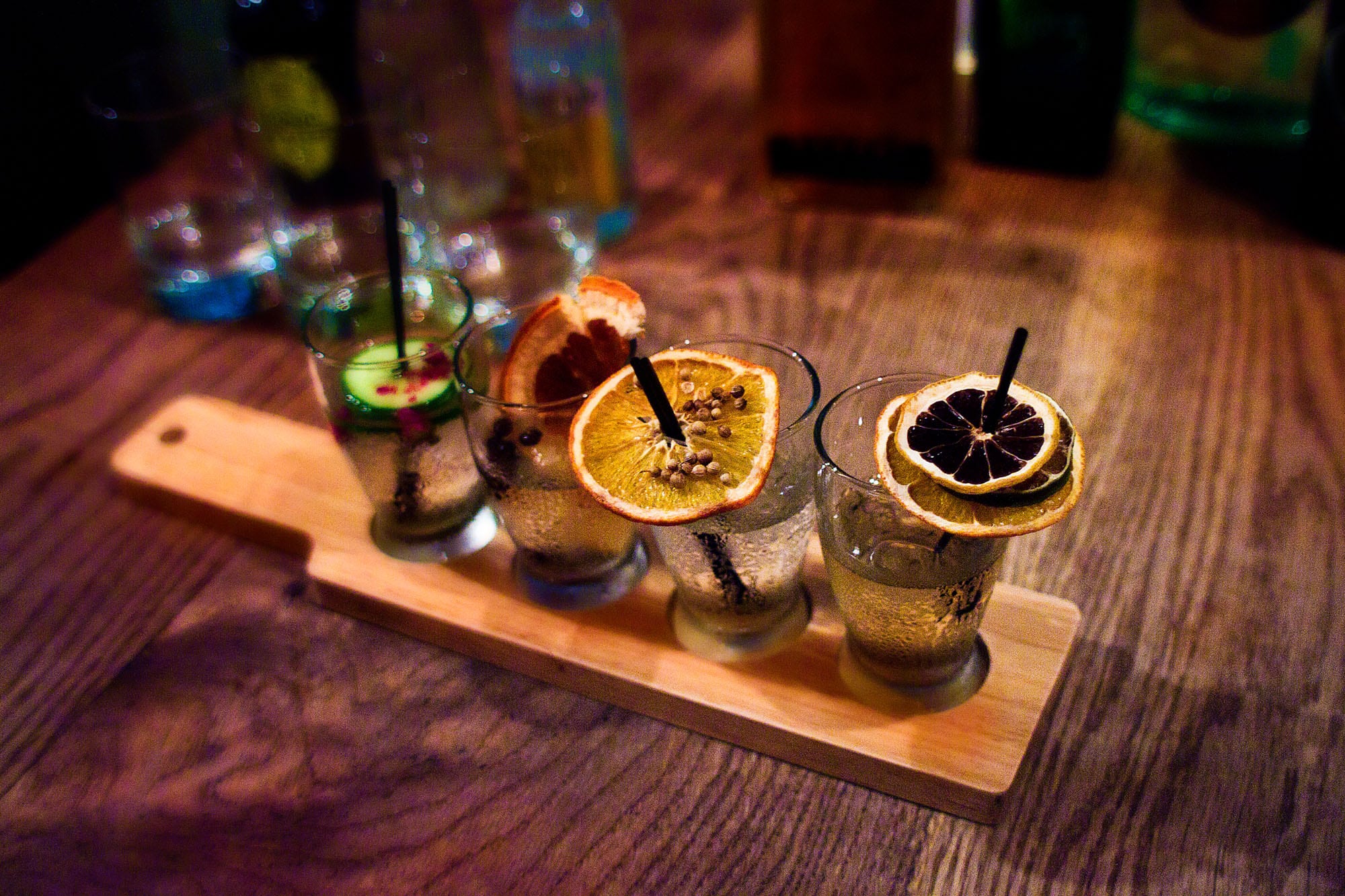

A long spirits list can be thrilling the first time you open it, right up until it becomes slightly intimidating. You sit down expecting a quick drink and suddenly face pages of London dry, navy strength, old tom, genever, contemporary citrus-forward bottles, botanical oddities from Japan, local New York distillates, and a handful of labels you cannot pronounce with confidence. At a serious Gin Bar NYC regulars love, that sense of abundance is part of the appeal. It can also slow people down, especially if they know they like gin but cannot yet explain what kind of gin they like.
The good news is that navigating a deep back bar is easier than it looks. You do not need encyclopedic knowledge, and you do not need to pretend you taste seventeen botanicals in every pour. What helps is a working framework, a few smart questions, and a willingness to treat the menu as a guide rather than a test.
I have watched this play out countless times in high-volume cocktail rooms and quieter gin-focused bars. The guests who enjoy themselves most are not the ones who know the most obscure labels. They are usually the ones who arrive with a sense of what they want the drink to feel like. Crisp. Bracing. Floral. Savory. Juniper-heavy. Soft and citrusy. Once you can describe the experience you want, the size of the list stops being a problem.
Start with the style, not the brand
Most people begin by scanning for a familiar bottle. That is understandable, but it is not always the best move when the list is broad. A better approach is to think in categories first.
London dry is the backbone for many classic gin drinks. It tends to be juniper-led, structured, dry on the finish, and reliable in a Martini, Negroni, or G and T. If you like a gin that tastes unmistakably like gin, this is often the lane to stay in.
Old Tom sits a little rounder and softer. It can carry a whisper of sweetness, though not always in a sugary way. In a Tom Collins or Martinez, that extra generosity can be exactly right. Genever is a different animal altogether, more malty and weighty, with roots that show up beautifully in spirit-forward cocktails. Contemporary gins often pull juniper back and push other botanicals forward, such as grapefruit peel, cucumber, lavender, seaweed, black pepper, or green herbs.
That distinction matters because the same guest may love a juniper-charged Martini and dislike a cucumber-leaning one, even if both are excellent. When the menu is large, looking for style gives you a map. Looking only for brands gives you landmarks with no roads between them.
Read the menu language carefully
Well-written spirits lists usually tell you more than you think. Adjectives are there for a reason. “Crisp” often points to bright citrus and a dry finish. “Floral” suggests perfumes and delicate aromatics, which can be lovely in a highball but polarizing in a Martini. “Herbaceous” may mean fresh and green, or it may signal something nearly savory. “Spiced” can refer to warm baking spice or sharp peppery lift. “Maritime” often means saline, coastal, or subtly vegetal.
What throws people is that these words overlap. A gin can be both floral and dry, both citrusy and earthy. Still, the language narrows the field. If you know you do not enjoy lavender, menus that emphasize violet or heavy florals are giving you a useful warning. If you love grapefruit and rosemary in food and drink, those clues are helpful too.
The proof matters as well. A bottle at 57 percent ABV is going to show differently from one around 40 to 43 percent, especially in stirred drinks. Higher proof can give a Martini more structure and length, but it can also make a delicate gin feel aggressive if you are not in the mood for it. That is not a quality judgment, just a fit question.
Decide what you are ordering before you choose the gin
This is one of the simplest ways to cut through a huge list. The “best gin” changes depending on whether it is going into a Martini, a Gin and Tonic, a Negroni, or a more elaborate house cocktail.
In a Martini, the gin has nowhere to hide. Juniper structure, texture, citrus oil, and alcohol integration matter immediately. Delicate floral notes can vanish or become oddly sharp depending on the vermouth and ratio. A robust London dry often shines here, though some modern gins create brilliant Martinis when the bar team adjusts the build accordingly.
In a Gin and Tonic, tonic’s bitterness and sweetness reshape the spirit. A gin that seems subtle neat may open up beautifully with quinine and carbonation. Strong citrus or herb notes often perform well. Soft gins can be refreshing, while very dense or resinous gins can dominate.
In a Negroni, Campari and sweet vermouth are powerful company. A shy gin may disappear. This is where navy strength or classic juniper-heavy styles often earn their keep. If a bar stocks many gins, the staff probably knows which bottles can hold the center in a bitter, stirred drink and which are better suited elsewhere.
This sounds obvious, yet a lot of hesitation at the bar comes from trying to pick a bottle in the abstract. It is far easier to say, “I want a very classic Martini,” than to stare at fifty labels and hope one speaks to you.
Give the bartender usable information
A good bartender does not need a dissertation. Two or three clear preferences are more useful than a long speech full of contradictions. If you tell someone, “I like a dry, classic gin with strong juniper and not too much floral character,” they can thewinslownyc.com Gin Bar NYC work quickly. If you say, “I usually drink Hendrick’s but today I want something crisper and more traditional,” that is also excellent information. Even naming drinks you enjoy helps.
What does not help much is saying, “I want something smooth.” Almost every guest says that at some point, and it can mean anything from low alcohol heat to soft texture to subtle flavor. “Smooth” is a social word more than a technical one. If that is all you have, the bartender will translate by asking follow-up questions.
People sometimes worry that asking for guidance makes them look inexperienced. In a proper gin-focused bar, it does the opposite. It shows that you care enough to get the fit right. A serious Gin Bar NYC patrons return to usually has staff who enjoy exactly this kind of conversation. They would much rather spend ninety seconds narrowing the field than watch you order a random bottle, dislike it, and retreat to beer.
If you know one gin you like, use it as a reference point
Reference points are useful because they create a baseline. If you love Beefeater, Tanqueray, Sipsmith, The Botanist, Plymouth, or Hendrick’s, say so. Each points in a different direction. A bartender can triangulate from there.
Someone who likes Tanqueray is often comfortable with juniper and backbone. Someone who prefers Hendrick’s may enjoy a softer, more cucumber- or rose-inflected style, though not always. A Plymouth drinker may want earthier roundness and less assertive pine. A Botanist fan might be drawn to layered herbal complexity.
The more specific the comparison, the better. “I like the kind of gin that tastes cold and sharp in a Martini” is useful. “I had a Japanese gin once and liked the yuzu note but not the sweetness” is even better. It does not matter if you forget the brand. Sensory memory is enough.
Do not ignore house recommendations
Bars with genuinely broad gin programs usually have opinions shaped by service, not marketing. That matters. Staff know which bottles overperform in particular cocktails, which labels sound exciting on paper but underwhelm in the glass, and which niche bottles delight a certain kind of guest while baffling everyone else.
A menu recommendation is often based on repetition. If a bartender tells you one gin makes a standout Martini with their current vermouth, that usually comes from having made and tasted that combination many times. Trusting that advice often leads to a better drink than choosing the rarest bottle on the shelf.
There is also a practical side to this. Some premium gins are expensive because they are limited, beautifully packaged, or imported in tiny quantities. Those can be wonderful, but price does not automatically equal versatility. I have had modestly priced London dry gins deliver far more pleasure in classic cocktails than prestige bottles with unusual botanicals that simply did not integrate as well.
Taste neat only when it will help
Some bars will offer a tiny taste before you commit, particularly if you are deciding between two pours or selecting a gin for a simple serve. This can be useful, but only if you interpret the taste in context.
Neat gin often emphasizes alcohol and concentrated botanicals. That does not always predict how it will behave in a mixed drink. A gin that seems almost austere neat may become elegant and complete with vermouth. Another that tastes charming on its own can flatten once tonic enters the picture. If you are sampling, compare with a purpose. Ask to taste two candidates for the same drink rather than trying three unrelated spirits back to back.
A one-sip comparison works best when the differences are clear. Juniper-forward versus citrus-forward. Traditional versus modern. Dry and taut versus soft and rounded. Beyond that, palate fatigue arrives quickly, especially in a busy room with food, perfume, and conversation competing for attention.
Understand the common trade-offs
Every gin choice carries a trade-off, and recognizing that helps you order more confidently. Big juniper gives a classic profile, but it can overshadow delicate garnishes. Floral gins can smell beautiful, but in some cocktails they drift toward soap for sensitive palates. High-proof bottles add lift and persistence, though they may read hot if the drink is not balanced well. Unusual botanicals can make a round unforgettable, but they can also fight with mixers.
There is no universal best option. There is only the best option for that drink, that mood, and that palate. This is why seasoned bartenders ask a few questions rather than simply naming their favorite bottle. Their favorite gin for a winter Negroni may be completely different from what they pour for a summer Collins.
This is also why guests should not feel locked into one identity. Liking classic juniper-heavy gins does not mean you cannot enjoy a softer contemporary pour. Preferring citrus-driven modern styles does not disqualify you from a serious Martini. Most people have broader taste than they think. They just need the right entry point.
Pay attention to garnish and serve
At a strong gin bar, the garnish is not decoration. It is part of the drink’s architecture. Lemon peel can sharpen and brighten. Orange can round bitterness and amplify spice. Grapefruit can make a citrus-led gin feel expansive. A rosemary sprig can pull hidden herbal notes forward, sometimes too aggressively. Cucumber can cool and soften. Olive brine changes everything.
That means the same gin can feel different depending on how it is served. If you have tried a bottle before and disliked it, ask how the bar builds it. A gin you found bland in a default tonic setup may sing with a different tonic, colder service, more dilution control, or a changed garnish.
I have seen this happen with Martinis more than almost any other drink. Guests often think they dislike a gin when what they really disliked was a warm glass, an imprecise vermouth ratio, or an unsuitable twist. Technique and setup matter a great deal when the spirit is front and center.
When the list is huge, narrow it with one sentence
If the menu feels endless, reduce your decision to a single sentence that answers three things: the drink style, the flavor direction, and the level of adventure. That formula works because it respects both your taste and the bartender’s expertise.
You might say, “I want a very classic Martini, juniper-forward, and I’m happy to try something I’ve never had.” Or, “I want a Gin and Tonic, bright and citrusy, but not too floral.” Or, “I usually like softer modern gins, but tonight I’d like to understand a more traditional style.”
Those are easy requests to work with. They also open the door to better conversation. The bartender might come back with two options and explain why one is drier, one is more aromatic, one is stronger, or one pairs better with your food order. Suddenly the giant list becomes a shortlist tailored to you.
A few pitfalls worth avoiding
Ordering by price alone rarely works in your favor. Expensive bottles can be exceptional, but they can also be specialized. If the point is enjoyment rather than collecting brands, fit matters more than cost. The same goes for choosing the most unusual bottle because it sounds impressive. Sea buckthorn, olive leaf, sansho pepper, and smoked tea can be fascinating, yet not necessarily what you want in your first round.
Another common mistake is treating all gin as interchangeable within cocktails. It is not. Swap the base in a Martini and you can alter texture, aroma, and finish dramatically. Switch the gin in a Negroni and you may change whether the drink feels balanced or crowded.
The last pitfall is rushing. A long spirits list rewards thirty seconds of thought. If you pause, decide what kind of drink you want, and ask one focused question, your odds of landing on something excellent go up fast.
Why New York bars are particularly good for this kind of exploration
New York is one of the best places to learn gin by drinking it in context. The city’s top bars tend to combine deep inventories with strong technical standards, which means you are not just encountering more bottles, you are seeing them used well. A well-run Gin Bar NYC drinkers trust will usually have enough range to show the category’s breadth and enough discipline to serve each style properly.
That matters because gin is more sensitive than many people realize. Glass temperature, vermouth freshness, tonic choice, ice quality, dilution, and garnish all affect the result. In a city where bars compete on execution, the differences between bottles become easier to understand because the service standard stays high.
There is also a practical educational benefit. If you order thoughtfully over a few visits, you can build a real sense of your preferences without buying full bottles at retail prices. One night you might compare a classic London dry Martini with a contemporary citrus-led one. Another night you might try genever in a different build. Over time, the giant list starts to read less like a wall of options and more like a set of families and styles.
Confidence comes from pattern recognition
The first time you face a back bar with dozens of gins, it can feel like everyone else has a secret vocabulary. They do not. Most confidence in spirits ordering comes from noticing patterns. You learn that you tend to prefer dry finishes over perfumed noses. You realize that you like your Martini with pronounced juniper and lemon, but your highballs with lighter citrus and herbs. You discover that some “innovative” botanicals thrill you and others do not.
Once those patterns emerge, the list becomes less about decoding labels and more about making small, satisfying adjustments. Stronger or softer. More classic or more modern. Better for stirring or better for tonic. Familiar or exploratory.
That is really the skill at the center of ordering well at a gin bar. Not memorization, and certainly not performance. Just clear preferences, communicated simply, with enough curiosity to let the bar guide you somewhere good. When that happens, a large spirits list stops being a challenge and becomes what it was meant to be, an invitation.
The Winslow
243 E 14th St
New York, NY 10003, United States
Phone: +1 212-777-7717
FAQ About Gin Bar NYC
How to do a gin tasting?
Start with a small pour and gently smell the gin before taking a small sip. Notice its juniper, citrus, floral or spice notes, then compare how the flavor changes with a little water or tonic. At a gin bar, ask the bartender to explain the selection and botanical pairings.
How to make the best tasting gin and tonic?
Use chilled gin, fresh tonic and plenty of ice. A common starting ratio is one part gin to two parts tonic, adjusted to taste. Choose a garnish that complements the gin's botanicals and stir gently to preserve the bubbles.
What is the smoothest tasting gin?
There is no single smoothest gin for everyone. Perceived smoothness depends on the botanical recipe, alcohol strength, serving temperature and mixer. Describe whether you prefer citrus, floral, herbal or juniper-forward flavors so a bartender can suggest a suitable style.