How to Turn a Bar With Private Room Into the Perfect Party Spot
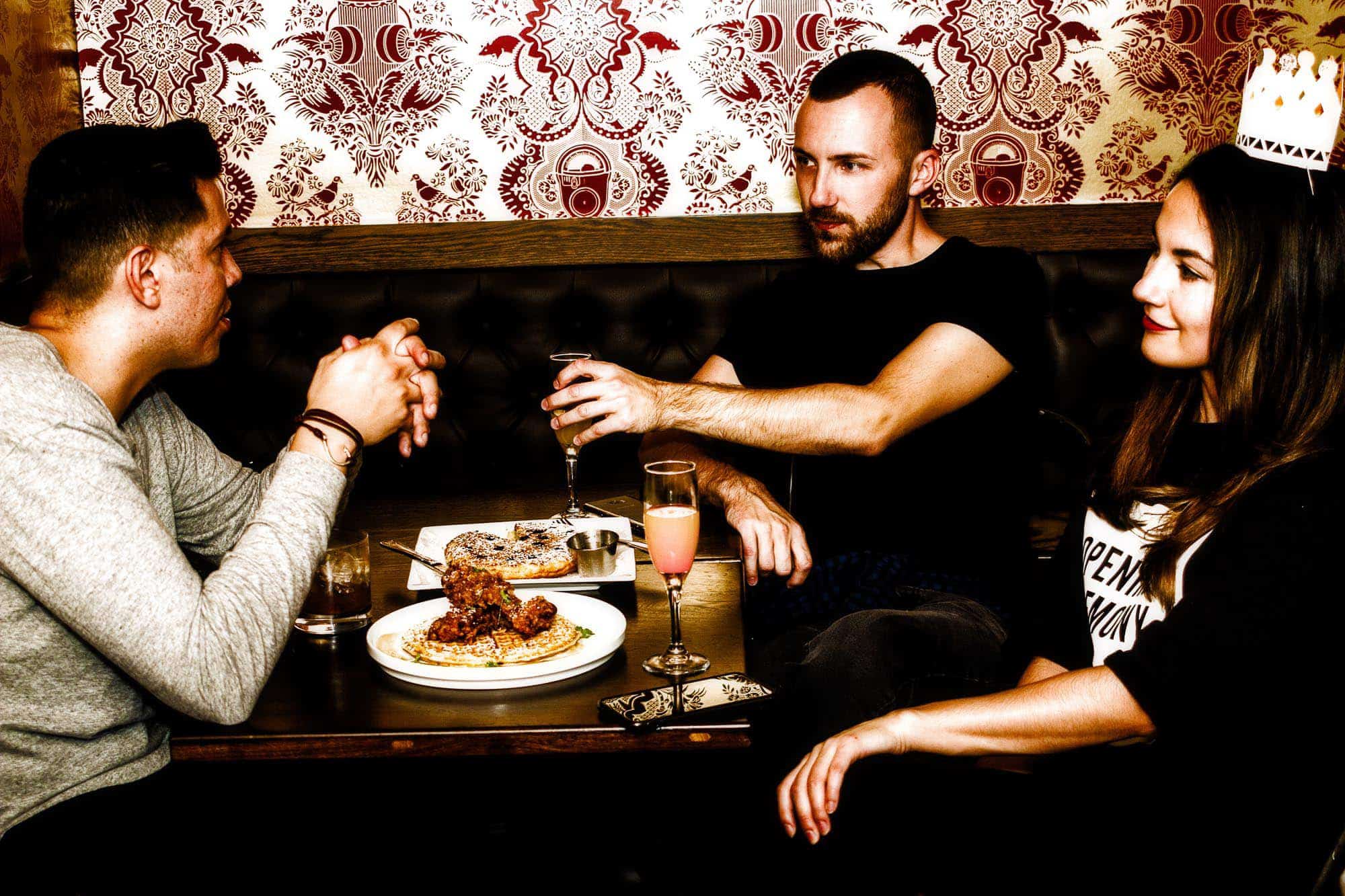
A good party venue does more than hold people and pour drinks. It shapes the pace of the night, absorbs small mistakes before guests notice them, and gives the host room to relax. That is why a bar with private room can outperform almost any standard event space for birthdays, engagement parties, work celebrations, reunion nights, and low pressure client gatherings. You get the energy of a lively bar, but with enough separation to make the event feel intentional rather than improvised.
That balance is harder to achieve than it looks. I have seen private room parties feel effortless and memorable, and I have seen others fall flat even with a great guest list and a generous bar tab. The difference usually comes down to a handful of practical decisions made early, before the first invitation goes out. Layout matters. Timing matters. So does the way you handle music, food flow, and the awkward dead zone that can happen in the first 30 minutes if guests are not sure where to stand or what to do.
If you want to turn a bar with private room into the perfect party spot, think like both a host and an operator. The host wants warmth, style, and a memorable atmosphere. The operator wants traffic patterns, staffing, and service speed to work. When those two perspectives meet, the room comes alive.
Start with the right kind of private room
Not every private room is actually private in a useful sense. Some are just a roped off corner with a different lighting fixture. Others are so sealed off from the rest of the venue that they lose the social energy people like about being in a bar in the first place. The best setup sits somewhere in the middle.
Ideally, the room has its own identity without feeling cut off. A partial barrier, sliding doors, a separate sound zone, or even a slightly raised space can work well. Guests should feel they are somewhere special, but still connected to the wider atmosphere. That connection matters most for mixed age groups or parties where not everyone knows one another. People loosen up faster when they can sense activity around them, even if they are in a defined space.
Capacity deserves a more critical eye than many hosts give it. If a venue says the room fits 40, ask whether that means 40 standing, 40 seated, or 40 with a buffet table taking up one wall. There is a big difference. A room that is technically large enough can still feel cramped once coats, gift bags, extra chairs, and servers start moving through it. In practice, a room feels best when it is at about 70 to 85 percent of its stated standing capacity. That leaves enough density for buzz, but enough space for movement.
Sight lines matter, too. If half the guests cannot see the birthday toast, or if the person managing music is blocked behind a support column, the room will fight you all night. Walk the space if you can. Stand in different corners. Picture where food, drinks, gifts, and conversation clusters will form. That small visit often reveals more than any event package PDF.
Match the room to the kind of party you actually want
Hosts often book based on availability and price, then try to force their event into the room. It works better in reverse. Decide what the party should feel like, then choose the room setup that supports it.
A birthday with 25 close friends needs something different from a 60 person retirement celebration. One calls for intimacy, easy conversation, and maybe a dedicated playlist. The other may need more circulation space, faster drink service, and a clearer focal point for speeches. If your group includes older family members and younger friends, seating becomes more important than you might think. If your event includes coworkers, people tend to arrive in waves, which changes how you handle check in, welcome drinks, and food timing.
A bar with private room is especially strong for events that need flexibility over formality. Guests can mingle, sit, drift to the main bar, come back, and settle into their own rhythm. That relaxed movement is a strength, but it can become chaos if there is no anchor. The room needs at least one obvious center of gravity, whether that is a signature drink station, a high top cluster near the entrance, a dessert display, or a casual lounge area where the host naturally spends time.
Negotiate for experience, not just price
People get fixated on minimum spend, room fee, and drink packages. Those numbers matter, but they are only part of the real value. What you are really buying is how smoothly the night runs.
Ask what staffing looks like. A private room with one dedicated server for 35 guests can work if the menu is simple and the bar is close. It can fail badly if the group is ordering cocktails individually, food is circulating, and guests are split between seated and standing areas. Sometimes spending a little more for an extra bartender or server changes the entire night.
Clarify what is included in setup and reset. Are tables moved before you arrive, or are you walking into a standard dining layout that still needs adjusting? Can the venue remove unnecessary chairs? Will they stage gifts, cake, or signage? Can they hold a few items before the event starts? These details do not sound glamorous, but they are often the difference between feeling hosted and feeling like you are coordinating labor in party clothes.
The best venue managers are usually willing to customize within reason if you ask clearly and early. They may not waive every fee, but they can often adjust timing, tailor menu pacing, reserve a nearby section for overflow, or give you a cleaner arrival setup. Those improvements tend to matter more than shaving a few dollars off the spend.
Build the room around movement
Most party problems are movement problems in disguise. People cannot reach the bar without cutting through conversations. A food station blocks the entrance. Guests entering late interrupt speeches because there is nowhere discreet to stand. The room feels crowded, but really it is just arranged poorly.
Think of the room in zones. You do not need formal labels or signs for everything, but you do need a mental map. Arrival should feel easy and obvious. Drinks should be accessible without creating a queue that swallows the social space. Food, if you are serving it buffet style or as passed appetizers, should not force everyone into one tight corner. If there is a moment for speeches or a toast, there should be a natural place for people to turn their attention.
Furniture can help or hurt. Too many chairs encourage people to sit in isolated clusters and stay there. Too few seats create fatigue, especially for older guests or events lasting more than two hours. High tops are useful because they support drink holding and casual conversation without anchoring people in place. A few low seats at the edge of the room can be even more valuable, giving guests a place to regroup without turning the event into a seated dinner.
One of the best room adjustments I have seen was also one of the simplest. A host removed one oversized communal table that the venue automatically included in the private room. That single change opened a central standing area, improved sight lines, and made the room feel 30 percent larger. Nothing else changed, but the party breathed better.
Get the first hour right
The opening stretch of any party is fragile. Early arrivals are evaluating the mood. Late arrivals are looking for cues. The host is often distracted. If the first hour feels awkward, guests carry that stiffness longer than most people realize.
A strong start usually needs three things: a clear welcome point, immediate access to a drink, and a room that already feels alive. Do not wait for the event to "fill up" before creating energy. Have music on from the start. Make sure lighting is warm and intentional. If possible, greet people at or near the entrance rather than deep inside the room. That quick moment of acknowledgment sets the tone.
A hosted welcome drink can help, especially for events where guests do not https://telegra.ph/Bar-With-Private-Room-Hosting-Tips-for-First-Time-Organizers-09-16 all know each other. It reduces decision friction and puts something in people’s hands quickly. That said, pre selected drinks should be easy and fast. Sparkling wine, a simple spritz, or one signature cocktail tends to work better than a complicated house special that slows service.
Food timing matters more than many hosts expect. If guests arrive hungry and the first tray appears 40 minutes late, the room gets restless. On the other hand, if substantial food hits too early, people settle in too fast and the event can lose momentum. For most evening parties, light passed bites in the first 20 to 30 minutes work well, with more filling food following once the room has found its rhythm.
Make drinks part of the atmosphere
At a private event in a bar, drinks are not just refreshments. They are part of the social architecture. The service style you choose changes how people interact.
Open bars can be generous and festive, but they work best with some boundaries. A completely unrestricted setup may lead to long waits, over ordering, or a budget surprise if the event runs longer than planned. A curated package often gives a better experience. Beer, wine, a small cocktail selection, and nonalcoholic options usually cover most guests without creating operational drag.
The nonalcoholic side deserves more attention than it used to get. People skip alcohol for all kinds of reasons, and no one wants to spend the night holding club soda with lime while everyone else gets thoughtfully made drinks. Ask the bar to offer two real zero proof options, not just soft drinks. A good alcohol free spritz or ginger based cooler makes guests feel included rather than managed.
If your crowd is cocktail heavy, ask how the bar handles volume. A room full of 30 people ordering espresso martinis one at a time can sink service. Sometimes the smartest move is to have a partial pre batch setup for one featured cocktail and leave the rest to simpler standards. Guests rarely mind if the drinks arrive faster and the room stays social.
Feed people in a way that suits the event
Food at bar events often gets treated as an afterthought, but it shapes guest behavior all night. Too little food and people leave early or drink too fast. Too much heavy food and the event starts to feel like a sit down dinner that no one planned for.
A private room in a bar usually works best with food that supports conversation and movement. Passed appetizers are ideal in the early phase because they distribute attention around the room. Later, a compact grazing table, slider station, taco setup, or small plate service can give the event some staying power without interrupting the flow.
Here is where I see many hosts overestimate sophistication and underestimate practicality. Delicate bites that require two hands, drip sauces, or balancing acts are frustrating in a standing room. Foods that people can eat in two or three bites, while holding a drink, almost always perform better. The room may look stylish, but your guests still need to function inside it.
If you are working with dietary restrictions, ask the venue how they label or announce options. A vegetarian guest should not have to interrogate every tray. Simple visual distinction or a server who knows what they are carrying helps far more than hosts realize.
Use sound and lighting with a light touch
The private room should feel distinct, but it should not feel like a rented conference annex with disco lights added at the last minute. Sound and lighting are where many otherwise strong parties become either flat or overworked.
Music should support the kind of conversation you want. If this is a networking heavy work party or a family event with wide age range, the volume should stay lower than hosts usually imagine. If the group is there to celebrate loudly and stay late, build the energy gradually rather than starting at nightclub intensity. A rising arc works better than peaking too soon.
If the venue controls the playlist, ask who actually manages it during the event. There is a difference between "we can play your playlist" and "our staff can blend this into the room naturally." If you care about music, clarify the mechanics. Bluetooth issues and ads interrupting a streaming playlist are not charming in the middle of a speech.
Lighting should flatter faces, define the room, and leave people comfortable enough to take photos without making the event feel staged. Warm dimmable light is usually the sweet spot. If the room has harsh overhead lighting, ask whether lamps, candles, or wall lighting can soften it. Even a few changes can dramatically improve the mood.
Give guests something to notice, not too much to do
Not every party needs programming. In fact, many private room events are better when they resist the urge to over schedule. Guests usually want a reason to gather, a little structure, and room to socialize. The strongest events often have just one or two memorable touches.
That could be a well timed toast, a custom cocktail named for the guest of honor, a compact photo moment with good lighting, or a late night snack that appears just when energy starts to dip. Those small details can do more for the memory of the event than elaborate games or a packed agenda.
For celebrations with mixed groups, one unifying element can be especially helpful. A subtle slideshow on mute, a jar for written notes, or a short welcome from the host can bridge people who know different parts of the guest of honor’s life. Keep it brief. The point is to create connection, not obligation.
A few details worth considering are these:
- A signature drink with a simple name guests can order easily
- One designated moment for remarks, kept under ten minutes
- A visible place for coats, gifts, or party favors
- A late evening food refresh, especially for events over three hours
- One strong visual element, such as florals, candles, or branded signage
That is enough to make the room feel curated without tipping into clutter.
Plan for the host to be free, not trapped
A host who spends the night troubleshooting does not create a warm room. They create a tense one. Guests pick up on that immediately. The best private room parties are designed so the host can circulate, make introductions, and actually enjoy the event.
This usually means choosing one point person before the party starts. Sometimes it is the venue manager. Sometimes it is a trusted friend or colleague who knows the run of show. Whoever it is, that person should handle small decisions once the event begins, from cueing the cake to adjusting music volume to finding more napkins. The host should not be solving those problems live unless something truly unusual happens.
If there are speeches, a surprise element, or a guest with special access needs, brief the venue in advance. Do not rely on improvisation for anything that carries emotional or logistical weight. Good venues can adapt in real time, but they can only support what they know about.
There is also a subtle hosting skill that matters in a bar with private room. Spend time near the room entrance during key arrival waves. It keeps the event porous and welcoming. Guests who arrive late should feel folded into the evening, not like they are interrupting a closed circle.
Know the trade-offs before they bite you
A bar with private room is versatile, but it is not perfect for every event. If your priority is a quiet formal dinner with layered courses and long speeches, a restaurant private dining room may serve you better. If your event depends on complete privacy or confidential conversation, some bar environments will feel too exposed, even with a separate room. If your crowd skews older or less mobile, stairs, standing arrangements, and restroom distance become much more important.
There are budget trade-offs, too. Sometimes a private room looks affordable at first glance, but mandatory service charges, AV fees, staffing minimums, or premium cocktail pricing push the number up quickly. On the other hand, bars can offer value that traditional event spaces do not. Furniture, atmosphere, bar inventory, and staffing are already built in. You are not creating energy from a blank room. You are shaping an environment that already knows how to host.
This is why site visits and direct questions matter. Pictures can flatter a room that feels cramped in person. Event menus can hide a service model that is slower than your group needs. A polished sales process can still lead to a clumsy event if operational details are fuzzy. Trust the specifics more than the pitch.
A practical checklist before you sign
Before you book, get clarity on a few practical points that hosts often overlook:
- Exact capacity for your preferred mix of seating and standing
- Whether the room has its own bar access or dedicated service staff
- How music, speeches, and lighting are actually controlled during the event
- What happens if your guest count changes by five to ten people
- Which fees are fixed, and which depend on consumption or timing
Those answers will tell you a lot about whether the venue is merely renting space or actively setting you up for a good night.
What guests remember the next day
Guests rarely remember the room fee, the exact appetizer count, or whether the floral budget was stretched. They remember whether they felt comfortable quickly, whether conversations flowed, whether the drinks came without hassle, whether the host seemed present, and whether the night had a shape to it. That shape is what transforms a private room from a reserved area into a real party.
The best version of a bar with private room does not try to compete with a ballroom, a club, or a formal event venue. It plays to its strengths. It offers privacy without stiffness, service without ceremony, and atmosphere without the burden of building one from scratch. Done well, it feels easy. Behind that ease is a set of deliberate choices about space, pacing, and guest experience.
If you focus on those choices, the room starts working for you. People settle in faster. The energy holds longer. Conversations overlap in the good way. The night has enough structure to feel thoughtful and enough freedom to feel alive. That is usually what people mean when they say a party was great. Not that it was extravagant, but that it felt right from the moment they walked in.
The Winslow
Address: 243 E 14th St, New York, NY 10003
Phone number: +12127777717
FAQ About Bar With Private Room
Which bars in NYC offer private rooms?
Many bars in New York City offer private and semi-private rooms for parties and events, ranging from hidden basement speakeasies to upscale lounge spaces. Top options include The Back Room on the Lower East Side, Dear Irving Gramercy, Pebble Bar in Midtown, Mister Paradise in the East Village, and The Winslow in the East Village.
What is a private room in a pub called?
A small, private seating area or partitioned booth in a traditional pub is most commonly called a snug. Larger private rooms used for events, parties, or dining are typically referred to as private dining rooms, function rooms, or back rooms.
How much does a 2 hour open bar cost?
A 2-hour open bar generally costs between $15 and $45 per person, depending heavily on the quality of alcohol you choose. For a standard group of 100 guests, this translates to an overall cost of $1,500 to $4,500 before taxes, setups, and staff gratuities.